
Dental Implants vs. Bridges: Which Option Lasts Longer?
Dental Implants vs. Bridges: Which Option Lasts Longer?
Losing a tooth affects more than your appearance. It can make eating harder and may leave you feeling self-conscious when talking with others. At The Dentistry in the Pittsburgh, PA Metro Area, we help patients compare dental implants vs. bridges, which includes discussions about which lasts longer. Both options restore your smile and chewing ability. The best choice depends on how each treatment works and what matters most to you. Knowing the differences can help you choose what’s right for you.
What Are Dental Implants?
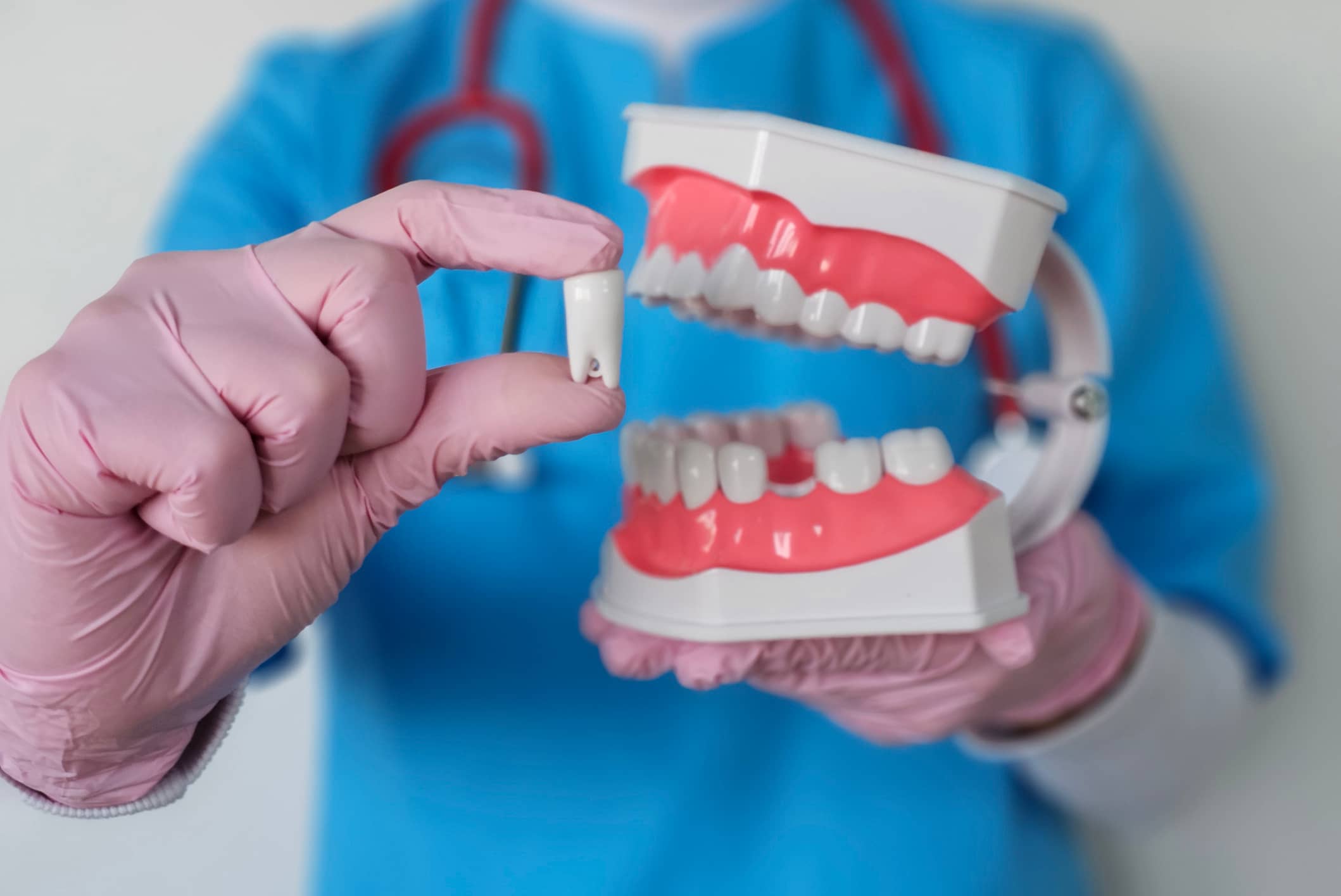
Dental implants act as artificial roots that support replacement teeth. Dentists place titanium posts into your jawbone, and over several months, these posts fuse with your bone. This strong connection gives the crown on top a stable base. Many people like that implants look and feel like real teeth. You can eat crunchy foods without worrying about your tooth moving or slipping.
What Are Dental Bridges?
A dental bridge connects an artificial tooth to the natural teeth next to the gap. Dentists shape the healthy teeth on each side so they can fit crowns, which hold the false tooth in place. The whole bridge is cemented in and stays put. Many people choose bridges to avoid surgery. This option restores your bite quickly and matches your other teeth.
Do Implants or Bridges Last Longer?
Evaluating dental implants vs. bridges reveals a stark difference in expected lifespans. Implants typically survive for decades, often lasting the rest of a patient’s life with proper care. The titanium root rarely fails. On the other hand, you should expect a dental bridge lifespan to hover around 10 to 15 years. The anchoring teeth can eventually become susceptible to decay or structural weakness. Understanding the durability of bridges vs. implants guides many people toward the surgical route for a relatively permanent solution.
The Pros and Cons of Dental Implants
To weigh the pros and cons of dental implants and bridges, consider both the short-term and long-term effects. You need to think about the surgery involved with implants and how long they last. Some of the pros and cons of dental implants include:
- Permanent Stability – The titanium post fuses with your bone to prevent slipping.
- Bone Preservation – Artificial roots stimulate the jawbone to stop deterioration.
- Lengthy Process – Healing and fusion take several months before receiving the final crown.
- Surgical Requirement – The procedure involves minor oral surgery and a recovery period.
Pros and Cons of Dental Bridges
Some people prefer non-surgical options like bridges. You can skip surgery, but you will need to follow a different cleaning routine. Some of the pros and cons of dental bridges include:
- Faster Results – Dentists can complete the entire restoration in just a few weeks.
- No Surgery – You avoid incisions, bone grafts, and lengthy healing phases.
- Damage to Anchors – Dentists must permanently shave down healthy adjacent enamel.
- Specialized Cleaning – Flossing requires a threader to clean underneath the suspended false tooth.
Comparing the Costs
Cost is a big factor when choosing between implants and bridges. Bridges usually cost less at first. Implants are more expensive because of surgery, special materials, and extra appointments. Most insurance plans cover more of the cost for bridges than for implants. However, over time, implants can be more cost-effective since they rarely need to be replaced, while bridges may need to be replaced over the years.
Which Option Is Better for Long-Term Oral Health?
A titanium post actively benefits your jaw. Chewing forces travel down the implant and stimulate the surrounding bone, preventing the atrophy occurring naturally after tooth loss. Bridges simply sit above the gumline, offering zero internal stimulation. Your jawbone will slowly shrink beneath the false tooth over the years. Furthermore, dental implants’ maintenance requirements are closer to natural brushing and flossing. Bridges require meticulous cleaning underneath the pontic to prevent rampant decay from destroying the vital anchoring teeth.
Who Is a Good Candidate for Each Treatment?
To get an implant, you need enough bone and healthy gums. If you have a lot of bone loss, you might need a bone graft first. Smoking or uncontrolled diabetes can make healing harder and increase the risk of implant failure. Bridges are a good choice if the teeth next to the gap already have large fillings or crowns. If those teeth need to be covered anyway, using them as anchors makes sense. Your dentist will look at your mouth and recommend the best option for you.
Get an Appointment at an Office Near You!
Ready to restore your missing teeth and regain your confidence? The Dentistry offers comprehensive evaluations to determine the absolute best restorative path for your mouth. Our experienced team will clearly explain your dental implants’ longevity expectations and craft a personalized treatment plan. We proudly serve families across our four convenient locations, including Irwin, Greentree, West Mifflin, and Pleasant Hills. Contact us today to schedule your appointment.
FAQs About Implants and Bridges
Are Implants Very Painful?
During the procedure, local anesthesia will numb the area so you do not feel pain. Most people only feel some pressure, not sharp pain. After surgery, you might feel sore like after a tooth extraction, but this usually goes away in a few days with regular pain medicine.
How Long Does the Bridge Process Take?
Crafting a custom bridge generally requires two distinct appointments spaced a few weeks apart. The first visit involves preparing the anchor teeth and taking precise impressions. You wear a temporary bridge while the lab fabricates your permanent porcelain restoration.
Can a Bridge Be Replaced With an Implant?
Yes, many patients upgrade later in life. Failing anchoring teeth or fatigue from specialized cleaning prompts dentists to remove the old unit. They extract any compromised anchors and place individual posts to restore the area permanently.
Does Insurance Pay for Implants?
Coverage varies drastically depending on your specific provider and plan tier. Many traditional policies classify surgical roots as elective or cosmetic, covering only the crown portion. Our billing specialists always verify your benefits and explain out-of-pocket costs clearly beforehand.
How Do I Clean a Bridge?
Standard brushing handles the exposed surfaces just fine. Cleaning the gap requires threading floss underneath the false tooth to remove trapped plaque and food debris. Water flossers also provide an excellent, easy alternative to manual threading for daily maintenance.