
Oral Health and Heart Disease: The Hidden Connection
Oral Health and Heart Health: The Surprising Connection
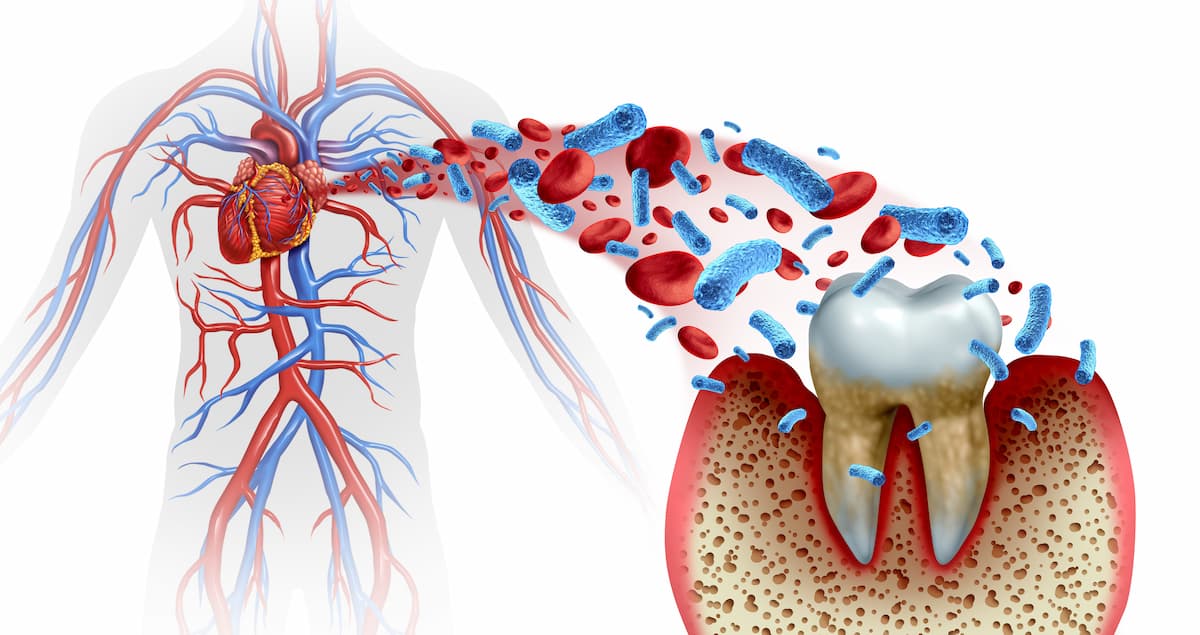
Brushing your teeth does more than keep cavities away. A clean mouth actually protects your entire body. Read The Dentistry’s guide to dental health and heart health in the Pittsburgh, PA Metro Area. Researchers continue to uncover links showing how bacteria in the mouth travels through the bloodstream. Consequently, poor oral hygiene directly impacts your cardiovascular system. Your mouth acts as a direct gateway to the rest of the body. Keeping the gateway clean prevents harmful pathogens from settling into major organs. Let us explore the medical science linking your teeth to your heart.
Understanding the Oral-Heart Connection
Doctors recognize a strong link between oral health and cardiovascular health. Bacteria from inflamed gums routinely escapes into the bloodstream, where it travels directly to the heart vessels. These microbes attach to fatty plaques lining your arteries, creating dangerous blockages. Your immune system responds by producing severe inflammation throughout the entire body. You might think bleeding gums just ruin a smile, but they actually have an effect your entire circulatory system. Regular dental cleanings strip away the hardened plaque hiding these dangerous bacteria before they cause permanent damage.
How Poor Oral Hygiene Can Influence Heart Conditions
Ignoring daily flossing sets off a dangerous chain reaction inside the body. The bacteria responsible for tooth decay produce specific proteins triggering systemic inflammation. Studies show a clear relationship between periodontal disease and heart disease, noting patients with severe gum infections suffer higher rates of cardiovascular events. Those inflamed blood vessels restrict normal circulation, forcing your heart muscle to work significantly harder. Over time, the continuous strain weakens the cardiovascular walls and heavily increases the risk of suffering a sudden stroke.
Early Warning Signs That Oral Health May Affect Heart Health
Paying attention to subtle changes in your mouth helps prevent serious cardiovascular complications. Your body constantly sends signals warning you about developing systemic inflammation. You should schedule a comprehensive dental exam immediately if you notice any of these troubling symptoms.
Bleeding and Swollen Gums
Healthy tissue never bleeds during normal brushing or flossing routines. Chronic swelling indicates an active bacterial infection fighting against your immune system. The resulting inflammation actively damages nearby blood vessels and dramatically affects your risk for serious heart problems.
Persistent Bad Breath Issues
Foul breath often stems from deep bacterial pockets forming below the gum line. Mints and mouthwash only temporarily mask the dangerous microbial colonies. These bacteria constantly release toxins directly into your circulatory system, severely impacting your oral health and heart problems.
Receding Gum Lines
Gums pulling away from the teeth create massive spaces for plaque to accumulate. The missing tissue exposes the vulnerable tooth roots to aggressive decay. The resulting infection quickly spreads down into the jawbone, pushing dangerous pathogens straight toward the vital heart valves.
How Proper Oral Care Can Lower Heart Disease Risk
Establishing a strong daily hygiene routine actively protects your cardiovascular system from severe damage. Removing plaque physically stops bacteria from entering your bloodstream and inflaming your fragile arteries. Some habits that can lower your risk of inflammation include:
- Daily Brushing – Brushing twice a day removes sticky bacterial films before they harden into dangerous tartar.
- Consistent Flossing – Cleaning between your teeth eliminates hidden microbes known to cause gum disease and heart disease.
- Routine Checkups – Professional cleanings eradicate the stubborn plaque colonies that regular brushing simply cannot reach.
- Healthy Diet – Eating fewer sugary foods starves the harmful bacteria responsible for severe tooth decay.
High-Risk Groups That Need Extra Oral Care
Certain preexisting medical conditions make patients especially vulnerable to dangerous oral infections. These individuals must remain incredibly vigilant about scheduling routine checkups and maintaining flawless daily hygiene. Some groups that are high-risk include:
- Patients with diabetes
- Seniors over sixty
- Pregnant women
- Tobacco smokers
- Immunocompromised individuals
- Patients taking dry-mouth medications
- People with a history of heart disease
When to Visit a Dentist
You should immediately contact your dentist the moment you experience persistent oral pain or sudden sensitivity. Do not wait for a minor ache to become a massive abscess. Regular six-month checkups remain the absolute best defense against advancing tooth decay. Your dentist routinely screens for early signs of trouble long before you feel any discomfort. Maintaining these regular visits helps manage your oral health and blood pressure simultaneously. Proactive care always costs less and requires fewer invasive procedures than ignoring the problem.
Get an Appointment at an Office Near You!
Stop letting dental anxiety keep you from achieving optimal wellness. The Dentistry specializes in treating fearful patients with gentle, compassionate sedation options. We ensure every procedure feels entirely comfortable and completely stress-free. Our team provides top-tier general and cosmetic dentistry services across the entire Pittsburgh area. Give us a call today to schedule your comprehensive exam at our convenient Irwin, Greentree, West Mifflin, or Pleasant Hills locations. Take the first step toward a healthier, more confident smile.
FAQs About Oral Health and Heart Disease
Can Bad Teeth Hurt My Heart?
Yes, untreated cavities harbor bacteria easily entering the bloodstream. These microbes damage major blood vessels and significantly increase your cardiovascular risks over time. Scheduling prompt fillings prevents the localized infections from spreading throughout your entire circulatory system.
Can Flossing Really Reduce My Risk of a Heart Attack?
Flossing removes the specific plaque linked to arterial blockages. While rigorous daily hygiene guarantees nothing, the habit heavily reduces your chances of suffering severe cardiovascular events. Dentists strongly recommend flossing every single night to protect your overall wellness.
How Often Should I See a Dentist?
Most healthy adults require professional cleanings every six months. Patients with active periodontal issues might need deep cleaning appointments every three to four months. Your hygienist evaluates the specific plaque buildup to recommend the ideal visitation schedule.
Are Bleeding Gums Really Serious?
Bleeding tissue always signals an active, aggressive infection. You need immediate professional treatment to stop the bacteria before it migrates toward your vital organs. Healthy gums shouldn’t bleed, so treat any pink residue in the sink as a warning sign.
Does Gum Disease Raise Blood Pressure?
Severe oral inflammation forces your heart to pump much harder. The continuous physical stress directly elevates blood pressure and damages sensitive cardiovascular tissue. Resolving the oral infection often helps stabilize vital signs and improves your general physical health.