
Top 5 Signs You Might Have Gum Disease
Signs You Might Have Gum Disease (and What to Do About Them)
Even with a solid dental health routine, problems can sneak up on you. Gum disease is one of the most common dental problems adults face, yet it often goes unnoticed until it becomes serious. If you catch the early gum disease symptoms before they worsen, you have the best chance of saving your teeth and protecting your overall health. So, what are the gum disease warning signs we should all look out for? Here’s what you need to know about gum disease and how to prevent it in the future.
What Is Gum Disease?
Let’s start with some quick definitions. Generally speaking, gum disease is an infection of the tissues that hold your teeth in place. It typically progresses in two main stages:
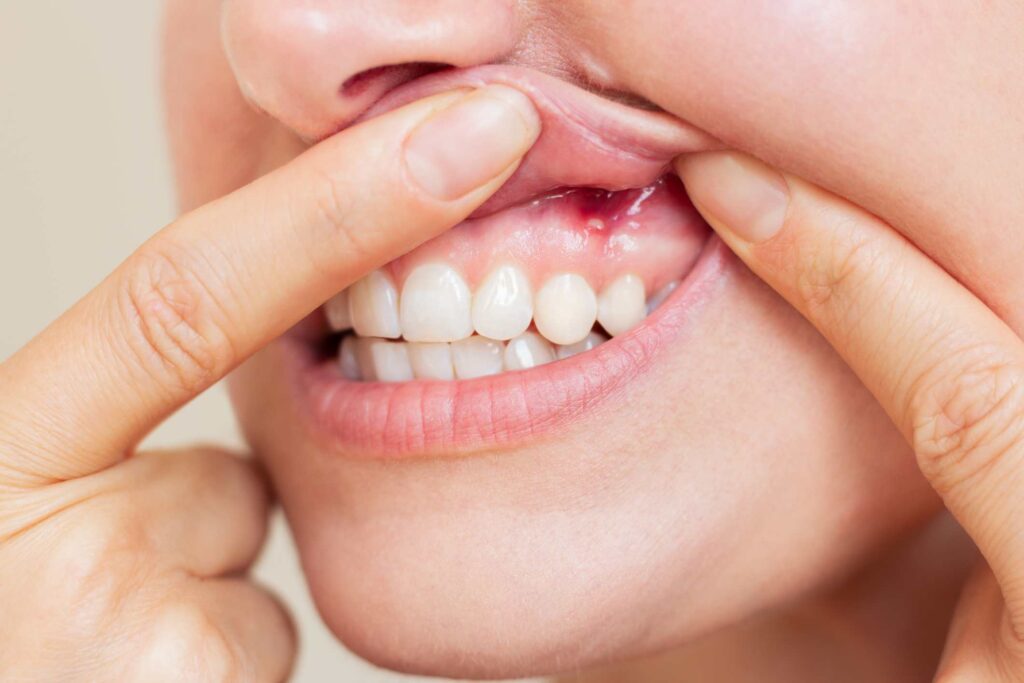
- Gingivitis—This is the mildest form of gum disease. It causes the gums to become red, swollen, and bleed easily. At this stage, there’s usually little to no discomfort, which is why it’s so often ignored.
- Periodontitis—If gingivitis is left untreated, it can advance to periodontitis. At this point, plaque spreads and grows below the gum line. The toxins produced by the bacteria in plaque irritate the gums, causing pain and inflammation. The tissues and bone that support the teeth start to break down, eventually causing teeth to separate from the gums.
Know the Early Gum Disease Symptoms
Your mouth has a way of telling you when something is wrong. Here are the most common gum disease warning signs you should never overlook:
1. Bleeding Gums
Do you notice pink or red spots in the sink after brushing or flossing? Maybe your toothbrush comes away pink, too. While you might be brushing too hard, healthy gums shouldn’t bleed during normal cleaning. Persistent bleeding is a clear signal that your gums are inflamed and battling bacteria.
2. Swollen, Red, or Tender Gums
Healthy gums should be firm and pale pink. If your gums look angry—bright red, puffy, or feel tender to the touch—they’re significantly inflamed. This swelling is your body’s immune response to the infection gathering around your teeth.
3. Persistent Bad Breath
Everyone has bad breath occasionally, usually after a garlicky meal or morning coffee. However, if you have a lingering bad taste in your mouth or breath that won’t go away even after brushing and using mouthwash, it could be a sign of excess bacteria and decaying food particles trapped in gum pockets.
4. Receding Gums
Periodontal disease can cause your gums to pull away from your teeth, exposing the roots. You might notice your teeth look longer than they used to, or you might feel increased sensitivity to hot and cold drinks. Gum recession creates pockets where disease-causing bacteria can build up and make the damage even worse.
5. Loose or Shifting Teeth
As periodontitis attacks the bone and tissue holding your teeth in place, they may feel loose or shift position. You might notice a change in the way your teeth fit together when you bite, or perhaps a change in the fit of partial dentures. In any case, this is a sign that your gum disease has progressed into a more advanced stage.
What Causes Gum Disease?
There are several bleeding gums causes, but plaque is the main culprit. Nevertheless, other factors can increase your risk or make the condition worse:
- Poor Oral Hygiene—Failing to brush and floss every day allows plaque to build up and harden into tartar, which can only be removed by a professional cleaning.
- Smoking and Tobacco Use—Tobacco users are significantly more likely to develop gum disease and often have a harder time healing after treatment.
- Genetics—Some people are simply more genetically predisposed to gum disease, regardless of how well they care for their teeth.
- Medications—Certain medications can affect oral health. If one of your prescriptions has “dry mouth” as a side effect, talk to your dentist about how to combat this symptom.
How Gum Disease Is Diagnosed
If you’re worried about any of the periodontal disease indicators, we highly encourage you to see a dentist for diagnosis. Fortunately, diagnosing gum disease is straightforward. Here’s how a dentist checks for this condition:
- Look for Bleeding and Swelling—Your dentist will visually inspect your gums for color, firmness, and signs of inflammation.
- Measure Pocket Depth: Using a tiny ruler, they’ll then measure the depth of the spaces (pockets) between your teeth and gums. In a healthy mouth, the pocket depth is usually between 1 and 3 millimeters. Deeper pockets could mean a gum disease diagnosis.
- Review X-Rays—Dental X-rays check for bone loss in the areas where your dentist observes deeper pockets.
Treatment Options for Gum Disease
Have a gum disease diagnosis? Don’t panic. Your dentist will work with you to find a treatment option that relieves your symptoms and improves your oral health. The two main types of treatment are as follows:
Deep Cleaning
If you have a mild case of gum disease, your dentist might recommend a deep cleaning. Often called scaling and root planning, this non-surgical procedure scrapes away plaque and tartar from above and below the gum line. The root planning portion then smooths rough spots on the tooth root where germs gather. This helps remove bacteria that contribute to the disease.
Surgical Treatments
For advanced cases of periodontitis, surgery might be necessary. Depending on your condition, your dentist might discuss a bone graft, where fragments of bone from elsewhere in the body are used to replace the destroyed tissue. Some patients might also benefit from flap surgery, in which the gums are lifted back to remove stuck-on tartar.
Tips to Prevent Gum Disease
Most people would rather prevent gum disease in the first place than undergo swollen gums treatment. Try these tips to keep your gums healthy in the long term:
- Brush twice a day with a fluoride toothpaste.
- Floss once a day to remove hard-to-reach plaque and food particles.
- Use a dentist-recommended mouthwash.
- Know your risk factors and look for ways to combat them.
- See your dentist regularly for checkups.
Helping You Keep Your Gums in Top Shape
While the signs of gum disease can be subtle at first, paying attention to changes like bleeding, swelling, or bad breath can save you from painful and expensive procedures down the road. The team at The Dentistry is always here to help patients in the Pittsburgh Metro Area. We offer a range of gum care treatments and can help you say goodbye to the pain and discomfort of gingivitis. Contact us today to make an appointment.