
Why Regular Dental Checkups Matter More Than You Think
Why Routine Dental Care Matters More Than You Think
We all have that one appointment on our to-do list that keeps getting pushed back. For many, it’s the trip to the dentist. Unless you have a sharp toothache or a broken crown, it’s easy to assume that everything inside your mouth is fine. However, routine dental care isn’t just about polishing your teeth. They’re a crucial part of preventive dentistry and help keep your oral health in check. Find out why routine dental care matters more than most people think.
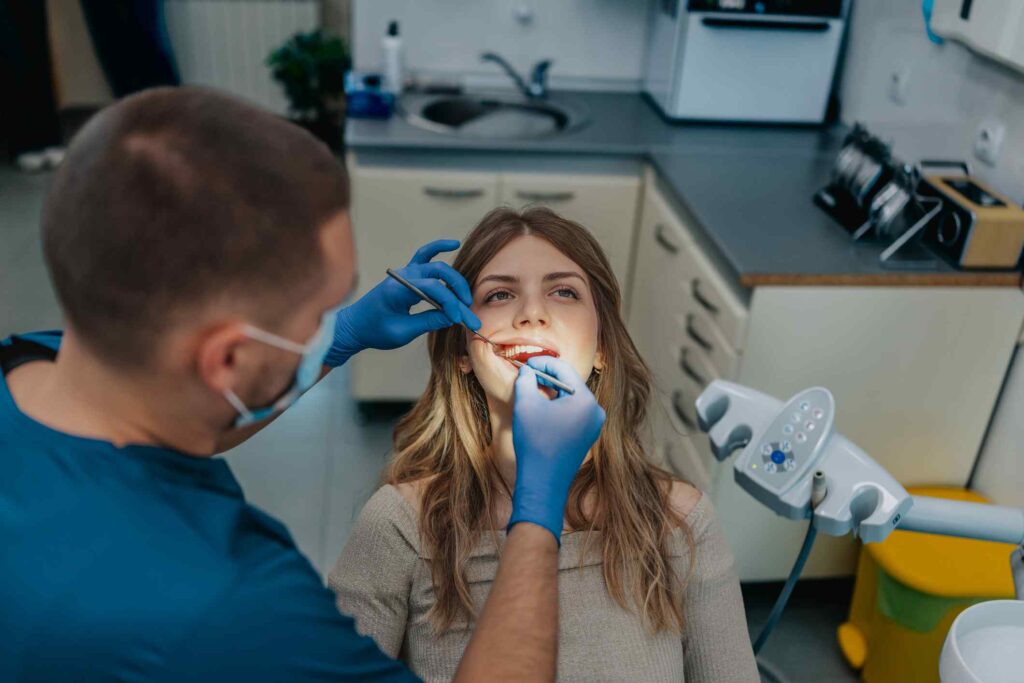
What Happens During an Oral Health Checkup?
If it’s been a while since your last oral health checkup, you might have some anxiety about what happens at a standard appointment. Usually, your checkup will consist of these two parts:
- A Thorough Exam—During the exam portion of your appointment, your dentist will evaluate the overall health of your mouth. They’ll check for bite issues, look for signs of oral cancer, and maybe take X-rays.
- A Pristine Cleaning—The second part of your appointment is the cleaning. A dental hygienist will use specialized tools to remove hardened plaque (tartar) that your toothbrush can’t budge. They also polish the teeth to remove surface stains and floss to ensure the areas between teeth are clean.
How Regular Dental Visits Protect Your Overall Health
Preventive dentistry doesn’t just protect your oral health. The benefits of regular dental visits extend to the whole body. Here are just a few reasons to prioritize dental care:
Catch Problems Before They Become Serious
The most significant benefit of a checkup is early detection. Most dental diseases are progressive. A small cavity that only affects the enamel is easy and inexpensive to fill. If left untreated, that decay eventually spreads to the nerve, leading to a root canal or extraction.
Identify Signs of Oral Cancer
Beyond teeth and gums, dentists are the first line of defense against oral cancer. During your exam, your dentist will scan your mouth for red or white patches or mouth sores. Oral cancer is highly treatable when caught early, but because the early signs aren’t usually painful, many patients do not notice it on their own.
The Connection Between Diabetes and Oral Health
Diabetes and oral health are often connected. People with diabetes are more prone to gum disease, and severe gum disease can make it harder to control blood sugar levels. Regular dental care can actually help manage diabetes complications.
Is At-Home Dental Care Enough?
No matter how advanced your electric toothbrush is, it can’t replicate a professional cleaning. Saliva contains calcium and other minerals that help strengthen teeth, but this also causes plaque to harden into tartar. Tartar is a cement-like substance that builds up along the gumline and can only be removed with professional scaling tools. When tartar accumulates, it provides a breeding ground for bacteria to thrive. This irritation causes the gums to pull away from the teeth, creating pockets where more bacteria can hide. A professional cleaning resets this process by removing the irritants and allowing the gums to heal and reattach.
How Often Should You Really Visit the Dentist?
Most dentists recommend a preventive dentistry visit every six months. However, some people need more frequent visits, usually every three or four months. If you fall into one of these high-risk categories, talk to your dental care team about appointment frequency:
- Smokers and tobacco users
- Pregnant people
- Diabetics
- People with a history of gum disease
- People with a weak immune response
Signs You Shouldn’t Wait for Your Next Appointment
While routine visits are scheduled in advance, certain symptoms require immediate attention. Don’t wait for your six-month checkup and call your dentist right away if you experience:
- Persistent Tooth Pain—Any pain that keeps you awake or lingers after eating hot or cold foods could be a serious problem, like a tooth infection.
- Bleeding Gums—If your gums bleed when you brush or floss, it’s a sign of inflammation and early-stage gum disease.
- Chronic Bad Breath—Halitosis that doesn’t go away with brushing or mouthwash could mean you have the beginnings of a tooth infection.
- Jaw Pain or Popping—Does your jaw hurt with no apparent explanation? You might be grinding your teeth at night.
- Mouth Sores—Any sore that doesn’t heal within a week or two needs to be evaluated.
- Dry Mouth—Dry mouth might not seem like a big deal, but a lack of saliva can accelerate tooth decay and cause further dental problems in the future.
Why Skipping Dental Visits Is Never a Good Idea
Avoiding the dentist might seem like a way to save time and money in the short term, but the long-term costs are almost always higher. The hidden consequences of neglect go beyond the financial aspect. For one, there’s the social impact of bad breath or visible tooth decay, which can affect confidence and personal relationships. You might also experience the physical toll of chronic infections in the gums, and ultimately, there’s the risk of tooth loss. Losing natural teeth can affect your ability to eat a nutritious diet and lead to bone loss in the jaw, permanently altering your facial structure.
Start Prioritizing Your Smile Today
It’s easy to let dental appointments fall by the wayside. Life is busy, but the importance of dental checkups should earn them a spot at the top of your priority list. At The Dentistry, we’re proud to help patients all over the Pittsburgh Metro Area maintain their oral health and catch problems before they become more serious. If you’re ready to take control of your health with routine dental care, get in touch with our friendly team.