
Electric vs. Manual Toothbrushes: Which Is Better for Me?
Choosing a toothbrush seems simple until you’re standing in the dental care aisle, comparing a basic manual brush with electric models that offer timers, pressure sensors, and multiple brushing modes. Does all that technology actually lead to cleaner teeth, or can a traditional toothbrush work just as well? The good news is that both electric and manual toothbrushes can support excellent oral health when used correctly. The bigger question is which option makes it easier for you to brush thoroughly and consistently. Understanding the differences can help you choose a toothbrush that fits your oral health needs, habits, and preferences. So, today, let’s compare manual toothbrushes vs. electric toothbrushes for oral health.
Why Proper Brushing Is Essential for Oral Health?
Every day, a sticky film of bacteria called plaque develops on your teeth. Regular brushing helps remove plaque before it accumulates and contributes to problems such as tooth decay and gum disease. Proper brushing also helps clean along the gumline and around areas where plaque can be easy to miss. Combined with cleaning between your teeth, routine dental visits, and other healthy habits, brushing is an important part of maintaining your teeth and gums over the long term. Technique matters, too. Regardless of which type of toothbrush you choose, be sure to brush:
- Twice a day
- For about two minutes each time
- With a soft-bristled toothbrush
- Using fluoride toothpaste
- Across all tooth surfaces, including the outer, inner, and chewing surfaces
How Are Electric and Manual Toothbrushes Different?
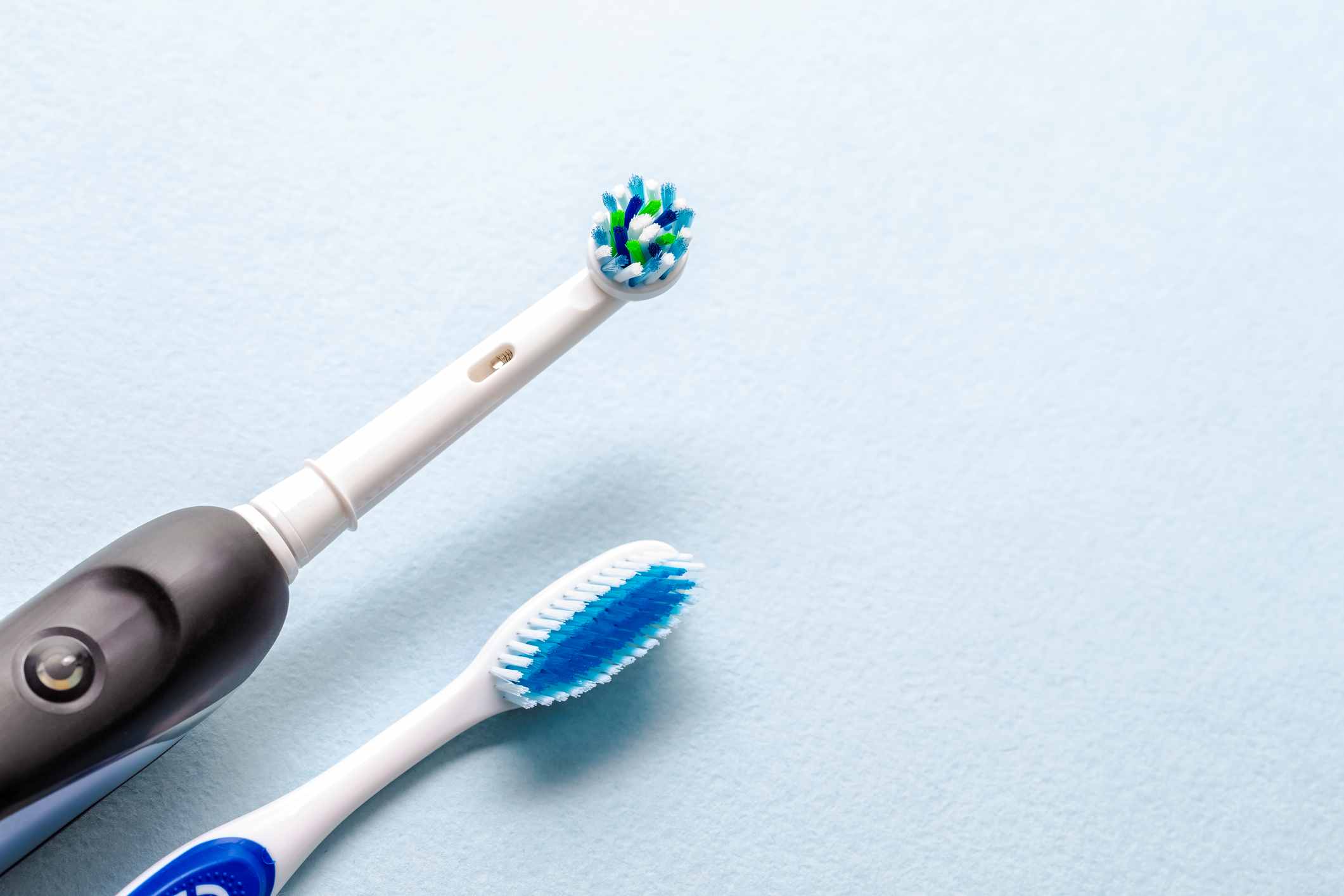
Electric and manual toothbrushes are designed to accomplish the same basic goal: removing plaque from your teeth. However, the way they accomplish that goal is different. Let’s do a quick breakdown of electric toothbrushes vs. manual ones:
Electric Toothbrushes
Electric toothbrushes use powered bristle movements, which may oscillate, rotate, or vibrate depending on the model. You still guide the toothbrush around your mouth, but the brush head performs much of the repetitive motion. One of the biggest potential advantages is consistency. Many electric toothbrushes incorporate features intended to support good brushing habits. A built-in two-minute timer can make it easier to brush for the recommended amount of time, while quadrant timers may remind you to move to another section of your mouth. Some electric brushes also include pressure sensors that alert you when you are pressing too firmly.
However, electric toothbrushes do have drawbacks. They generally cost more than manual brushes, require batteries or charging, and use replacement brush heads. They can also take up more space, which may make traveling slightly less convenient.
Manual Toothbrushes
Manual toothbrushes are still an effective and accessible option. They are inexpensive, widely available, and easy to replace. You also don’t have to remember to charge them. A manual toothbrush gives you complete control over the brush’s movement and pressure. For people with good brushing technique, that can be perfectly sufficient for maintaining a clean mouth. However, a manual toothbrush puts more responsibility on the person using it. There’s no built-in timer to tell you when two minutes have passed and no pressure sensor to warn you that you’re brushing too aggressively.
Who Should Consider an Electric Toothbrush?
Ultimately, the most effective toothbrush is one you can use correctly and consistently. Nevertheless, some people benefit more from electric toothbrushes. If you fall into any of these categories, you might consider switching to electric:
- People With Limited Dexterity: Arthritis, mobility limitations, and other conditions affecting hand movement can make the repetitive motions involved in manual brushing challenging. Because an electric toothbrush produces the brushing motion automatically, it may make daily cleaning easier.
- People With Braces: Brackets and wires create additional areas where plaque and food particles can accumulate. An electric toothbrush may make it easier for some people to maintain a consistent cleaning routine around orthodontic appliances.
- People Who Brush Too Quickly: If your usual brushing session ends well before two minutes, an electric toothbrush with a timer can help you stay on track.
- People Who Brush Too Aggressively: Many powered toothbrushes include pressure sensors that can help users recognize when they are applying excessive force.
Don’t Make These Common Brushing Mistakes
Electric toothbrushes benefit lots of people, but no matter what kind of brush you use, you could still be making one of these common mistakes:
- Brushing for Too Little Time: A rushed brushing session may leave areas of the mouth inadequately cleaned. Aim for a full two minutes and make sure you reach every section of your mouth.
- Applying Too Much Pressure: Scrubbing aggressively is unnecessary. Use gentle pressure and let the bristles clean the tooth surfaces.
- Ignoring the Gumline: Plaque can accumulate where the teeth and gums meet. Carefully clean along the gumline rather than focusing only on the visible surfaces of your teeth.
- Missing Hard-to-Reach Teeth: The back molars and inner surfaces of the teeth can easily be overlooked. Follow the same pattern each time you brush so every part of your mouth gets attention.
- Using an Old Toothbrush or Brush Head: Worn, frayed bristles don’t clean as effectively. Replace your toothbrush or electric brush head regularly, particularly when the bristles become visibly worn.
- Assuming Brushing Does Everything: A toothbrush alone doesn’t effectively clean every surface between your teeth. Flossing is also essential to remove plaque and debris from spaces your toothbrush can’t reach.
Dental Care Goes Beyond the Toothbrush
So, are electric toothbrushes better? Not necessarily. Both manual and electric toothbrushes have their place, and there’s no single option that’s right for everyone. Instead of focusing only on the technology, consider which toothbrush helps you maintain the best routine. And if you’re unsure which type is appropriate for your teeth and gums, bring the question to your next visit to The Dentistry. Your dentist can evaluate your oral health, brushing habits, and individual needs and recommend an option that helps you get the most from your daily routine. Contact one of our locations throughout the Pittsburgh Metro Area today to schedule your appointment.