
Are Metal-Free Dental Restorations in Your Future?
Dental restorations have come a long way from the days when repairing a damaged or decayed tooth almost always meant using a noticeable metal filling or crown. Today, patients have more choices, including restorations designed to blend naturally with their surrounding teeth. These metal-free options can restore strength and function while also supporting a more seamless smile. As dental technology continues to evolve, tooth-colored restorations are becoming an important part of modern restorative and cosmetic dentistry. So, let’s take a look at metal-free dentistry and find out why so many dental offices are opting for it.
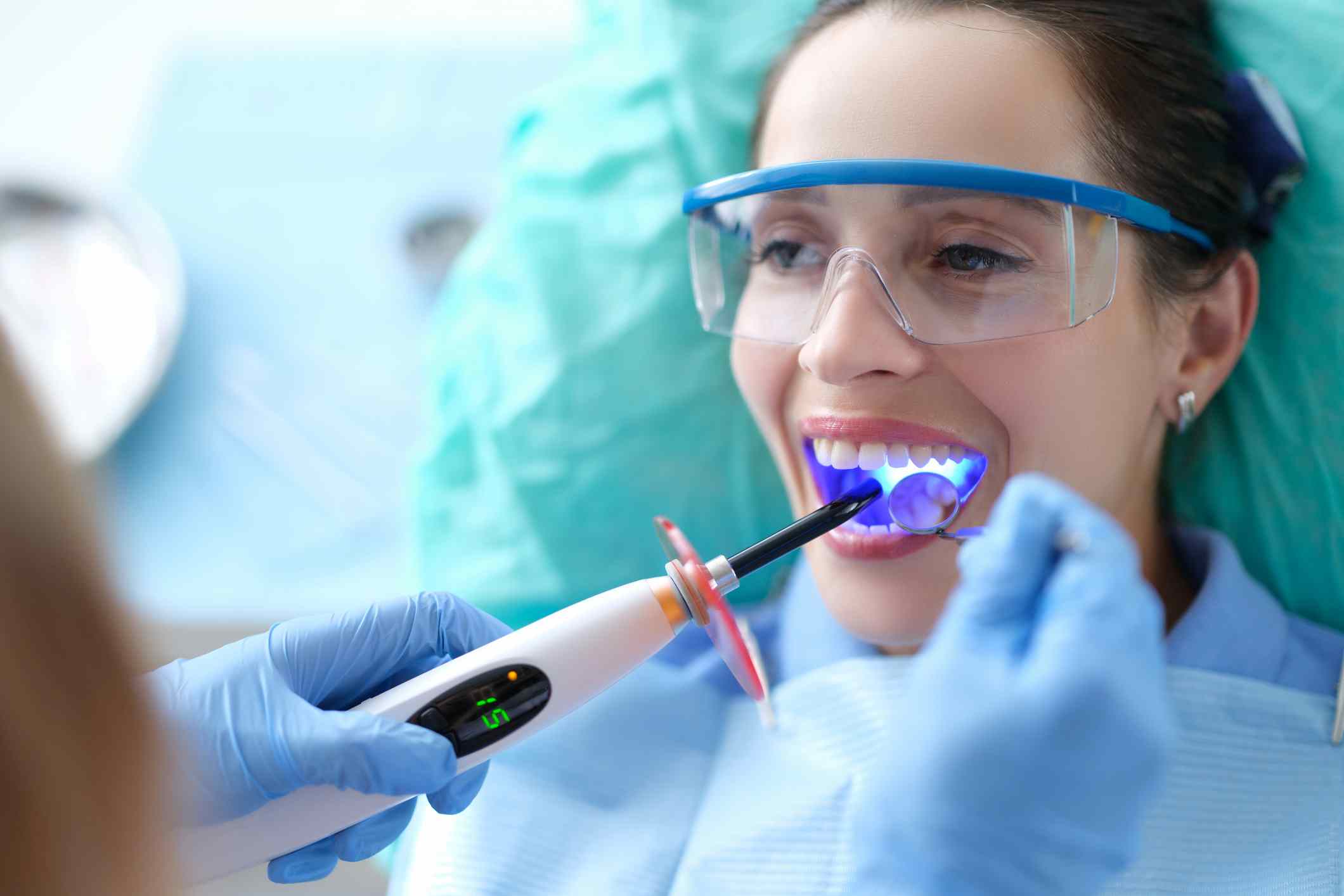
Why Patients Are Choosing Metal-Free Dentistry
For many patients, appearance is one of the biggest reasons to consider a metal-free dental restoration. Traditional metal restorations can be visible when you talk, laugh, or smile, particularly when they are placed in teeth closer to the front of the mouth. Tooth-colored materials, by comparison, can be selected to closely resemble the shade of natural teeth. However, aesthetics aren’t the only reason metal-free restorations have become so popular. Today’s dentists emphasize preserving as much of the healthy tooth structure as possible. Depending on the type and extent of damage, dentists can choose from several restorative options rather than taking a one-size-fits-all approach.
The Different Types of Metal-Free Restorations
Metal-free dental restorations are available in several forms, allowing dentists to address a variety of dental concerns. Get to know these main types:
Composite Fillings
Composite fillings are made from a tooth-colored resin material and are commonly used to repair cavities or relatively minor areas of damage. Unlike traditional silver-colored amalgam fillings, composite material can be matched to the surrounding tooth for a less noticeable result. Composite resin bonds directly to the tooth, making it a versatile choice for many restorative and cosmetic procedures.
Ceramic or Porcelain Crowns
When a tooth requires more extensive repair, your dentist might recommend a dental crown. A crown covers the visible portion of the damaged tooth to restore its shape, strength, and function. Metal-free crowns can be made from ceramic materials such as porcelain or zirconia. These materials are available in tooth-colored shades and can provide a natural-looking restoration.
Inlays and Onlays
Beyond metal-free crowns and fillings, inlays and onlays are popular options. An inlay typically fits within the chewing surface of the tooth, while an onlay covers one or more of its cusps. These restorations are often chosen when a tooth requires more repair than a filling but doesn’t need a full crown. Inlays and onlays are an excellent choice if your dentist wants to preserve as much of the healthy tooth structure as possible.
Dental Veneers
Veneers are thin restorations placed over the front surfaces of teeth, usually for cosmetic purposes. They may be used to address concerns involving tooth shape, color, spacing, or minor damage. Porcelain and other ceramic materials can closely mimic the appearance of natural enamel, helping veneers integrate with the rest of the smile (no metal needed!).
The Benefits of Tooth-Colored Dental Restorations
Metal-free restorations can offer several advantages, depending on the material and the specific dental situation. Get to know some of the specific benefits of tooth-colored dental restorations:
- A Natural Appearance: Tooth-colored materials can be matched to surrounding teeth, making the restoration less noticeable.
- Versatility: Metal-free materials can be used for fillings, crowns, inlays, onlays, veneers, and other dental restorations.
- Preservation of Healthy Tooth Structure: Certain restorative techniques allow dentists to retain more of the healthy tooth, depending on the extent and location of the damage.
- Durability: Modern dental ceramics and composite materials are designed to handle the demands of everyday use when selected and placed appropriately.
- Cosmetic Appeal: Because the material can complement the color and shape of natural teeth, metal-free restorations can address functional dental concerns without unnecessarily compromising the appearance of your smile.
The Future of Dental Aesthetics and Restorative Dentistry
These days, the line between restorative and cosmetic dentistry is blurring. Not only do patients want their care to restore healthy teeth, but they also want the final product to look as natural as possible. Advancements in dental materials have helped make those goals increasingly compatible. Here’s how:
- Ceramics such as zirconia have expanded options for restorations that need to withstand everyday biting and chewing forces. At the same time, highly aesthetic ceramic materials can recreate characteristics of natural teeth, including their color and translucency.
- Digital impressions, computer-aided design, and computer-aided manufacturing can help dental teams design restorations with a high degree of precision.
- Despite newer technology, successful dentistry still depends on careful diagnosis, proper treatment planning, material selection, and long-term oral hygiene. The future of dentistry is also about choosing the right restoration for each individual.
Restorations You Can Trust for Years to Come
Cosmetic dentistry and metal-free options are becoming more and more popular, and The Dentistry is glad to provide these treatment approaches. If you have a damaged tooth or an older restoration that may need attention, talk with us about your options. We might recommend a tooth-colored restoration, or we might suggest metal as the better choice. Whatever your condition, you can rest assured we’ll provide personalized treatment tailored to your needs. Appointments are available to new and current patients throughout the Pittsburgh Metro Area. Contact us today.